
Favorite Products For Damaged Stucco Patchings Among Contractors
Discover contractor-approved patching materials that deliver durable, high-quality repairs for damaged stucco surfaces.
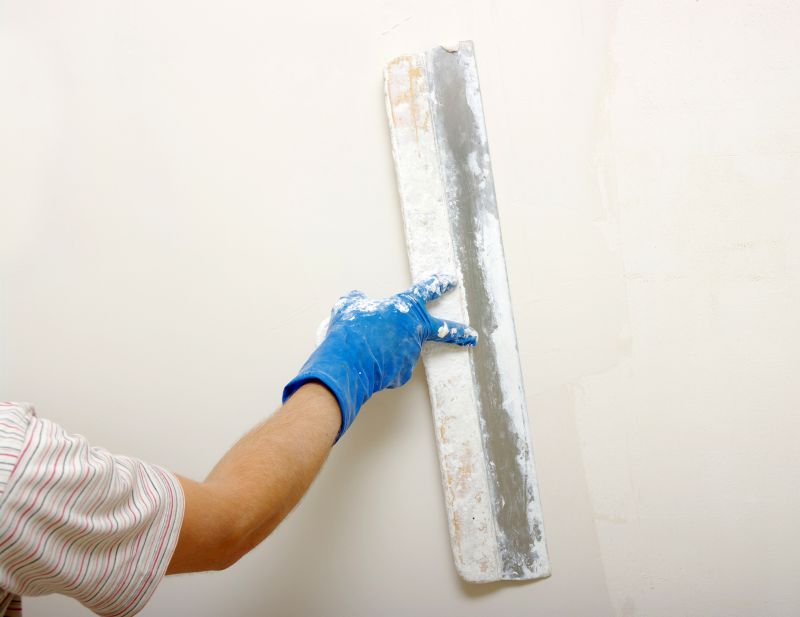 Damaged stucco can compromise both the appearance and integrity of exterior walls, making timely and effective patching essential. When addressing stucco repairs, selecting the right products ensures a seamless blend and durable finish. The process typically involves assessing the extent of damage, preparing the surface properly, and applying suitable patching compounds or materials that match the existing texture and color. Using high-quality patching products can help achieve a more uniform and long-lasting repair, reducing the likelihood of future issues.
Top Overall Option
High-Performance Stucco Patch Kit
A comprehensive stucco patch kit that includes multiple formulations suitable for various damage sizes and textures. It offers excellent adhesion, flexibility, and ease of application, making it a versatile choice for both professionals and DIYers. The kit typically provides base coats, finish coats, and texture tools to help achieve a seamless repair that matches surrounding surfaces.
Types of Products For Damaged Stucco Patchings
Ready-Mixed Stucco Patch
Pre-mixed compounds designed for quick application on small to medium repairs, suitable for minor cracks and holes.
Stucco Repair Mortar
A more durable, cement-based mortar for larger patches and structural repairs, offering strong adhesion and weather resistance.
Fiber Reinforced Stucco Patch
Contains fibers to enhance flexibility and crack resistance, ideal for areas prone to movement.
Textured Patch Compounds
Designed to match existing stucco textures, these compounds help blend repairs seamlessly.
Elastic Stucco Patch
Flexible formulations that accommodate slight wall movements and prevent cracking.
Hydraulic Cement Patch
Fast-setting cement suitable for sealing cracks and holes in damp or wet conditions.
Base Coat Stucco
Used for larger repairs to rebuild the surface before applying finish coats.
Finish Coat Stucco
Provides the final textured surface that matches the existing wall finish.
Acrylic Stucco Patch
Acrylic-based compounds that offer good adhesion, flexibility, and weather resistance.
Epoxy Stucco Patch
High-strength repair material suitable for structural repairs and bonding difficult surfaces.
Fast-Drying Stucco Patch
Ideal for quick repairs, these patches cure rapidly to minimize project time.
Waterproof Stucco Patch
Designed to resist moisture infiltration, suitable for exterior surfaces exposed to rain.
Textured Spray Patch
Sprayable compounds that replicate stucco textures for large or difficult-to-repair areas.
Patch Repair Kits
Complete kits that include multiple products and tools for comprehensive stucco repair projects.
Flexible Repair Sealants
Sealants that provide flexibility and adhesion for small cracks and joints.
Cement-Based Patch Mixes
Traditional cement mixes suitable for extensive structural repairs and rebuilding.
Polymer Modified Patches
Enhanced with polymers for improved adhesion, flexibility, and weather resistance.
Popular Choices
Widely used for small repairs due to its convenience and ease of application.
Commonly selected for larger patches requiring durability and strength.
Popular for areas with movement, offering enhanced crack resistance.
Favored for seamless blending with existing stucco textures.
Chosen for its flexibility in accommodating wall shifts.
Preferred for sealing cracks in damp conditions or for structural repairs.
Essential for rebuilding larger damaged areas before finishing.
Used to achieve the final textured surface matching the existing wall.
Popular for its adhesion and weather resistance properties.
Selected for high-strength repairs and bonding challenging surfaces.
Valued for quick turnaround on repair projects.
Commonly used for outdoor applications exposed to moisture.
Ideal for large or difficult-to-repair textured surfaces.
Popular for comprehensive repair projects with all-in-one solutions.
Chosen for small cracks and joints requiring flexibility.
Often used for structural and extensive repairs.
Favored for their enhanced durability and flexibility.
Different types of patching materials are available to suit various damage levels and surface conditions. For minor cracks and small holes, ready-mixed patching compounds or caulks are often sufficient. For larger areas or more extensive damage, a combination of base coats and finish coats might be necessary. Proper surface preparation, including cleaning and sanding, enhances adhesion and results in a smoother repair. Additionally, selecting products that are easy to work with and have good adhesion properties can make the repair process more manageable for both DIY enthusiasts and professionals.
Understanding the properties of different patching products is crucial. Some formulations are designed to be flexible, accommodating slight movement in the wall, while others offer superior adhesion to prevent future cracking. Texture matching is also an important consideration, as certain patching compounds can be shaped or textured to blend seamlessly with existing stucco. Weather-resistant and quick-drying options are beneficial for outdoor repairs, ensuring that patches withstand environmental exposure and minimize downtime. Overall, choosing the right products involves balancing ease of use, durability, and aesthetic compatibility to achieve the best repair results.
Key Buying Considerations
- Extent and type of damage to determine appropriate product size and type.
- Compatibility with existing stucco texture and color for seamless blending.
- Ease of application, especially for DIY projects or professional use.
- Adhesion properties to ensure long-lasting repairs.
- Flexibility of the patching material to accommodate wall movements.
- Weather resistance for outdoor applications exposed to the elements.
- Drying and curing times to fit project timelines.
- Compatibility with damp or wet conditions if necessary.
- Texture matching capabilities to replicate existing wall finishes.
- Durability and resistance to cracking over time.
- Ease of surface preparation required before application.
- Availability of matching colors or the ability to paint over the patch.
- Cost and value considering the size and quality of the product.
- Environmental conditions in your area that may influence product choice.
- Presence of additional tools or accessories included in repair kits.